
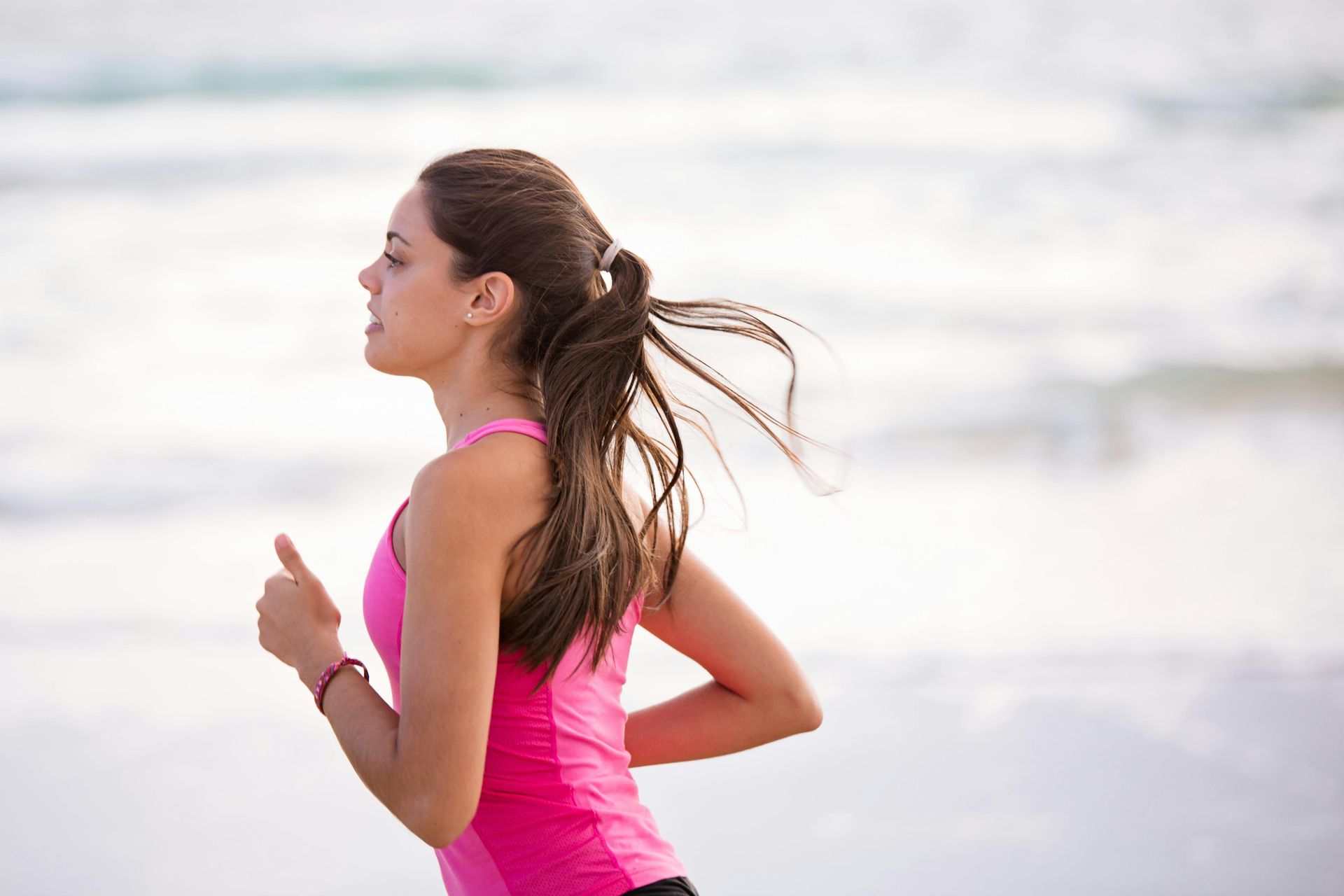
Many expecting mothers wonder whether it’s safe to continue running during pregnancy. The short answer: Yes—running during pregnancy can be safe and highly beneficial when done with proper precautions , especially if you were already running or jogging before becoming pregnant. At Bump Wellness , we support safe, effective prenatal fitness based on the recommendations from the American College of Obstetricians and Gynecologists (ACOG) . Here’s what you need to know if you want to continue (or begin) running during pregnancy. Is Running Safe During Pregnancy? According to ACOG, pregnant women should get at least 150 minutes of moderate-intensity aerobic activity per week , and running can count toward that total. Running is considered safe for most pregnancies when: ✔ You were a runner before pregnancy Women with an established running routine can continue with modifications as needed. ✔ Your pregnancy is uncomplicated Your doctor has not advised against exercise. ✔ You listen to your body and adjust intensity This becomes more important as pregnancy progresses. If you were NOT a runner before pregnancy, ACOG recommends starting with walking or low-impact exercise first , and adding short, light jogging intervals only if approved by your healthcare provider. Benefits of Running During Pregnancy Running can offer several science-backed benefits for expectant mothers: 1. Supports Heart Health & Circulation Running boosts cardiovascular conditioning, which can help with labor endurance and overall pregnancy stamina. 2. Helps Manage Healthy Weight Gain Regular movement helps regulate weight gain within recommended ranges. 3. Improves Mood & Reduces Stress Aerobic exercise releases endorphins, improves sleep, and lowers feelings of anxiety. 4. Supports Blood Sugar Control Running improves insulin sensitivity and may help reduce the risk of gestational diabetes. 5. Strengthens Core, Hips, and Legs Running engages major muscle groups that support posture and balance during pregnancy. Important ACOG-Based Safety Guidelines These guidelines reflect ACOG’s most recent exercise recommendations for pregnant women. ✔ Get medical clearance first Especially if you have: Heart or lung disease Preeclampsia or high blood pressure Cervical insufficiency Placenta previa after 26 weeks Risk of preterm labor Multiple gestation with risk factors ✔ Use the “talk test” for intensity During pregnancy, aim for moderate intensity : You should be breathing more heavily but still able to speak in short sentences. Avoid high-intensity running unless your OB has cleared it and you were already training at that level pre-pregnancy. ✔ Prioritize hydration Pregnant women are more prone to dehydration. Drink water before, during, and after runs. ✔ Avoid overheating ACOG specifically warns against excessive heat. Choose: Early morning or evening runs Shaded areas Indoor treadmill sessions on hot days ✔ Modify as pregnancy progresses Running may feel different as your baby grows. It's normal to slow the pace or transition to run/walk intervals. ✔ Pay attention to balance changes The belly shifts your center of gravity, which can increase fall risk. Stick to smooth, even surfaces. Signs to Stop Running Immediately (ACOG Warning Signs) ACOG states to stop exercise and call your doctor if you experience: Vaginal bleeding Dizziness or feeling faint Chest pain Regular painful contractions Shortness of breath before starting exercise Fluid leaking from the vagina Calf pain or swelling Headache Decreased fetal movement Never try to “push through” these symptoms. When Running May Not Be Recommended You may need to avoid running if you have: Placenta previa after 26 weeks Preeclampsia or gestational hypertension Severe anemia Preterm labor risk Short cervix A heart or lung condition Doctor-ordered activity restrictions Always follow your OB-GYN’s specific instructions. The Bump Wellness Approach Every woman—and every pregnancy—is different. At Bump Wellness , prenatal training programs focus on: Safer running technique Strengthening the hips, glutes, and core Reducing pelvic or low-back discomfort Preventing injury Supporting a healthy, active pregnancy Preparing your body for labor and postpartum recovery If you want a running plan built around your pregnancy, your energy levels, and your OB’s guidance, I’d love to help. Call: 760-537-3737 Bump Wellness – Prenatal & Postnatal Personal Training

Carrying twins is an exciting journey — but it also brings unique demands on your body. As your pregnancy progresses, you may feel stronger symptoms, faster growth, and extra strain on your joints, heart, and core. The right fitness plan can help you feel more energized, reduce discomfort, and prepare your body for delivery and postpartum recovery. At Bump Wellness, we specialize in guiding moms of multiples with safe, customized training. Why Exercise Matters in a Twin Pregnancy Staying active during a twin pregnancy isn’t about pushing harder — it’s about moving smarter. Exercise can help you: Improve circulation and reduce swelling. Strengthen your core and pelvic floor to better support your growing bump. Maintain healthy weight gain and lower your risk of gestational diabetes. Boost your stamina for labor and recovery. Ease common aches, like back pain and tight hips. Safe Workout Guidelines Because twin pregnancies carry a higher risk of complications such as preterm labor, it’s especially important to get medical clearance before starting or adjusting any exercise routine. Once cleared, keep these principles in mind: Focus on low-impact movement: Walking, stationary cycling, and swimming are excellent options. Strengthen, don’t strain: Use resistance bands or light weights to work your arms, legs, and back without overloading your joints. Protect your core: Avoid traditional crunches or planks after your first trimester. Instead, try seated pelvic tilts and standing core activations. Prioritize balance and stability: As your center of gravity shifts, practice supported movements (like wall squats or chair-assisted exercises) to lower fall risk. Listen to your body: Fatigue, shortness of breath, dizziness, or contractions are signals to stop immediately. Pelvic Floor & Breathing Twin pregnancies put additional pressure on your pelvic floor. Gentle Kegel exercises combined with deep diaphragmatic breathing can help you stay strong and reduce the risk of incontinence or prolapse after birth. At Bump Wellness, we incorporate these into every session so you can carry with more comfort and confidence. When to Scale Back As you move into the later weeks, your energy may dip and your bump may limit mobility. That’s okay — even light stretching, gentle walking, or guided prenatal yoga can keep you active. The goal isn’t perfection, it’s consistency and safety. Contact Us Pregnancy with twins is a beautiful challenge. With the right guidance, exercise can make you feel stronger, more supported, and better prepared for delivery. At Bump Wellness, our certified trainers design personalized programs to help twin moms stay safe, active, and empowered every step of the way. 📞 Call 760-537-3737 to schedule your consultation today and discover how prenatal fitness can make your twin pregnancy healthier and more comfortable.
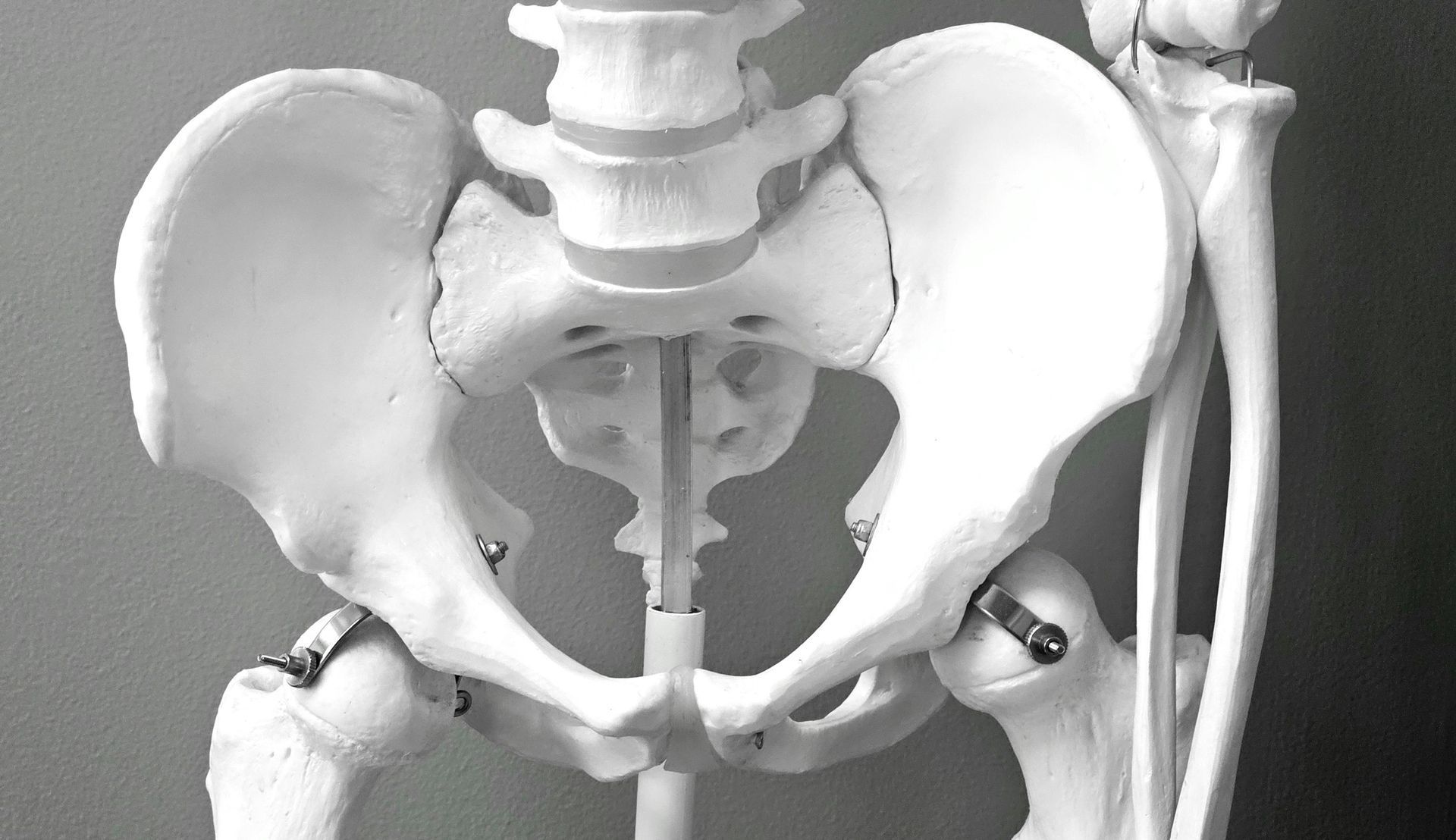
Pregnancy, birth, and the early years of motherhood can place enormous pressure on the muscles that support your bladder, uterus, and bowel. When those muscles lose coordination or strength, you may experience leaking, heaviness, pain, or a constant urge to “go.” The good news: most pelvic floor problems respond well to targeted exercise and lifestyle tweaks—often without surgery. What exactly is “pelvic floor dysfunction”? Your pelvic floor is a sling of muscles and connective tissue stretching from the pubic bone to the tailbone. When that sling becomes 'weak, over-tight, or poorly timed', you can develop: Symptom = How it shows up Stress incontinence = Leaking when you cough, sneeze, lift, or laugh Urgency / frequency = Sudden, strong urge to pee—often many times a day Pelvic organ prolapse = A feeling of bulging or “something falling out” Pain with sex or tampon use = Muscles may be too tight or in spasm Low-back or hip pain = The pelvic floor works with your core and glutes Up to 1 in 3 postpartum women report at least one of these issues—and many suffer in silence. Why does it happen? Hormonal softening of connective tissue during pregnancy Mechanical load of a growing baby (extra 25–35 lb presses down on the pelvic floor) Vaginal delivery trauma (tearing, instrument use, prolonged pushing) C-section pressure —yes, even surgical births strain the pelvic floor Chronic constipation, heavy lifting, high-impact exercise, or long hours on your feet after birth Evidence-based ways to restore pelvic floor health 1. Pelvic Floor Muscle Training (PFMT) Daily Kegel-style contractions, coached for correct technique, can cure or improve urinary incontinence in up to 74 % of women ([Cochrane Library][1]). How: Contract for 5 s, fully relax 5 s, 10–15 reps, 3× day. Progress to quick pulses and functional moves (e.g., exhaling during lifts). 2. Breath & Pressure Management Learn 360-degree diaphragmatic breathing so you exhale on effort (standing up, lifting the car seat). That prevents intra-abdominal pressure spikes that push down on recovering tissue. 3. Early, graded exercise ACOG states pelvic-floor exercises can start “in the immediate postpartum period” and general activity may resume as soon as medically safe ([ACOG][2]). Begin with walking, gentle core activation, and body-weight moves; add load only when you can contract + lift the pelvic floor without bulging. 4. Whole-core rehab Train the deep abdominals (transversus abdominis) with pelvic floor engagement—think heel slides, dead bugs, and side planks—instead of crunch marathons. 5. See a Pelvic Floor Physical Therapist The American Physical Therapy Association’s guideline on urinary incontinence ranks PFMT, biofeedback, and lifestyle coaching as first-line care ([American Physical Therapy Association][3]). A PT can check muscle activation internally, release over-tight spots, and progress you safely. 6. Lifestyle tweaks Ditch “just-in-case” bathroom trips—they train the bladder to be jumpy. Treat constipation (fiber + hydration + squatty potty). Avoid breath-holding during heavy lifts. Use a pessary or support belt temporarily if prolapse symptoms spike. Red flags—get medical clearance asap Sudden worsening prolapse sensation Ongoing incontinence beyond 12 weeks postpartum despite exercise Pelvic pain that stops you from daily activities or intimacy Visible blood in urine or stool Talk to your OB-GYN or a urogynecologist; imaging or referral to specialist PT may be needed. How Bump Wellness helps moms in Palm Springs Prenatal strength sessions that teach safe breathing and protect the pelvic floor before birth. Postnatal core & floor rebuild —private, in-home training tailored to C-section or vaginal recovery timelines. Collaboration with local pelvic PTs and OB practices so your rehab plan is 100 % aligned. Diastasis recti screening and progressive core programming that complements PFMT. Ready to move leak-free and feel confident again? Book your complimentary consultation today and get a custom recovery roadmap. References 1. Cochrane Review: Conservative interventions for treating urinary incontinence in women (updated 2022) ([Cochrane Library][1]) 2. ACOG Committee Opinion No. 804: Physical Activity and Exercise During Pregnancy and the Postpartum Period (2020) ([ACOG][2]) 3. ACOG FAQ: Pelvic Support Problems (2023) ([ACOG][4]) 4. APTA Clinical Practice Guideline: Conservative Care of Urinary Incontinence in Women (2020) ([American Physical Therapy Association][3]) [1]: https://www.cochranelibrary.com/cdsr/doi/10.1002/14651858.CD012337.pub2/abstract?utm_source=chatgpt.com "Conservative interventions for treating urinary incontinence in women" [2]: https://www.acog.org/clinical/clinical-guidance/committee-opinion/articles/2020/04/physical-activity-and-exercise-during-pregnancy-and-the-postpartum-period?utm_source=chatgpt.com "Physical Activity and Exercise During Pregnancy and the ... - ACOG" [3]: https://www.apta.org/patient-care/evidence-based-practice-resources/cpgs/conservative-care-of-urinary-incontinence-in-women?utm_source=chatgpt.com "No. 397 – Conservative Care of Urinary Incontinence in Women" [4]: https://www.acog.org/womens-health/faqs/pelvic-support-problems?utm_source=chatgpt.com "Pelvic Support Problems - ACOG"

Diastasis recti, a common condition that affects many postpartum women, occurs when the right and left sides of the abdominal muscles separate along the midline, causing a gap. This condition is often caused by the stretching of the abdominal muscles during pregnancy. While it can be concerning, there are safe and effective exercises that can help restore core strength and function. At BumpWellness, we specialize in guiding new moms through the process of healing diastasis recti safely and effectively. What is Diastasis Recti? Diastasis recti is the partial or complete separation of the rectus abdominis muscles, which run vertically along the front of the abdomen. This condition often develops during pregnancy when the growing uterus stretches the abdominal muscles. It can lead to symptoms like a visible bulge in the stomach, lower back pain, poor posture, and difficulty lifting objects. Why Is It Important to Heal Diastasis Recti? Improves Core Strength and Stability: The abdominal muscles are essential for core strength and stability. Healing diastasis recti helps restore muscle function, which is important for daily activities and overall fitness. Reduces Lower Back Pain: A weakened core can lead to poor posture and lower back pain. Strengthening the abdominal muscles can help alleviate discomfort and support proper alignment. Prevents Further Injury: If left untreated, diastasis recti can lead to other issues, such as hernias, pelvic floor dysfunction, and persistent weakness in the core muscles. Enhances Appearance and Confidence: For many women, healing diastasis recti improves abdominal tone and reduces the bulging appearance, leading to a boost in confidence and comfort in daily life. Safe Exercises to Heal Diastasis Recti Deep Belly Breathing with Core Engagement: This exercise helps activate the deep core muscles, such as the transverse abdominis, which support the abdominal wall and help close the gap.How to Do It: Sit or lie down in a comfortable position. Inhale deeply, allowing your belly to expand. As you exhale, draw your belly button toward your spine, engaging the deep core muscles. Hold for a few seconds, then release. Repeat 10-15 times. Pelvic Tilts: Strengthens the lower back and abdominal muscles while promoting core stability.How to Do It: Lie on your back with your knees bent and feet flat on the floor. Flatten your lower back against the floor by tilting your pelvis upward. Hold for a few seconds, then release. Repeat 10-15 times.Modified Side Planks: A gentle way to strengthen the obliques and transverse abdominis without straining the midline.How to Do It: Lie on your side with your knees bent. Lift your hips off the ground, supporting yourself on your forearm and the side of your knee. Hold for 5-10 seconds, then lower. Repeat 5-10 times on each side. Heel Slides: Engage the deep core muscles while maintaining a neutral spine.How to Do It: Lie on your back with your knees bent and feet flat on the floor. Inhale and engage your core, then slowly slide one heel away from your body, keeping your foot on the floor. Exhale as you return to the starting position. Alternate legs, repeating 10 times on each side. Bird Dog: Improves balance and coordination while strengthening the core and lower back.How to Do It: Start on your hands and knees, keeping your spine neutral. Extend your right arm forward and your left leg back, keeping your core engaged. Hold for a few seconds, then return to the starting position. Repeat on the other side. Perform 10 repetitions on each side. Tips for Exercising Safely with Diastasis Recti Avoid Crunches and Sit-Ups: These exercises can worsen diastasis recti by placing excessive pressure on the abdominal muscles. Focus on Proper Breathing Techniques: Breathe deeply and engage your core throughout each exercise to support the abdominal muscles. Use Gentle Movements: Start with low-intensity exercises and gradually increase difficulty as your core strength improves. Consult a Professional: Work with a certified trainer who specializes in postpartum fitness to ensure you’re using proper form and technique. How BumpWellness Can Help You Heal Diastasis Recti At BumpWellness, our trainers are certified in the Tupler Technique and other proven methods to help heal diastasis recti safely and effectively. We create customized exercise plans that focus on restoring core strength and function while minimizing the risk of further injury. Contact Us Today! Schedule a free consultation to learn more about our diastasis recti rehabilitation programs and start your journey to a stronger, healthier core.
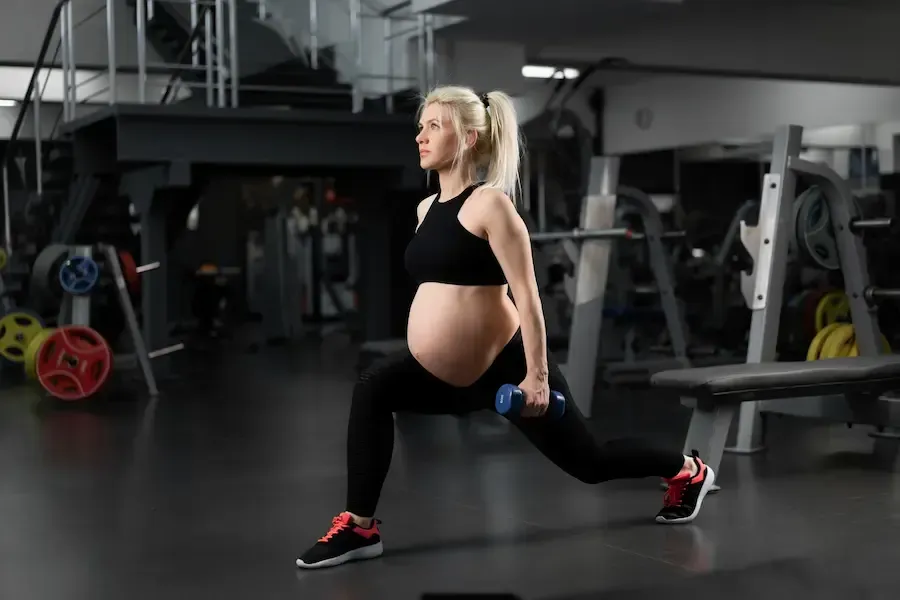
Strength training is a powerful tool for maintaining a healthy, strong body during pregnancy. However, there are many misconceptions that can make expecting mothers hesitant to incorporate resistance exercises into their fitness routine. At BumpWellness, we want to help you separate the myths from the facts so that you can feel confident and empowered in your pregnancy workouts. Common Myths About Strength Training During Pregnancy Myth: Strength Training is Dangerous for Pregnant Women Fact: When performed correctly, strength training is safe and beneficial for most pregnant women. Exercises can be modified to accommodate your growing belly and changing body, ensuring you build strength without risk. Activities like using resistance bands, light weights, and body-weight exercises can be adapted to your fitness level and needs. Myth: Lifting Weights Will Harm the Baby Fact: Moderate weight lifting is safe for most healthy pregnant women and does not pose any risk to the baby. In fact, strengthening muscles that support the back, pelvis, and core can help reduce pregnancy discomfort and prepare your body for labor. Always use proper form and avoid lifting heavy weights or holding your breath while lifting. Myth: You Shouldn't Lift Weights Overhead Fact: Overhead lifts can be performed safely during pregnancy if done with proper form and lighter weights. Avoid lifting weights over your head if it causes any discomfort or strain. A personal trainer can guide you in modifying these exercises to keep them safe and effective. Myth: You Should Only Do Low-Intensity Workouts Fact: While high-intensity workouts may not be suitable for everyone, moderate-intensity strength training is highly beneficial. The key is to listen to your body, adjust the intensity as needed, and avoid exercises that cause discomfort or strain. Working with a certified trainer can help ensure your workouts remain at a safe intensity level. Benefits of Strength Training During Pregnancy Improved Muscle Tone and Endurance: Strength training helps maintain muscle tone, which is essential for supporting the additional weight of pregnancy. Strong muscles also contribute to endurance during labor and delivery. Reduced Pregnancy Discomfort: Regular strength training can alleviate common pregnancy aches, such as lower back pain, by building strength in the core and back muscles that support your growing belly. Better Posture and Balance: As your body changes, maintaining good posture can become challenging. Strengthening your core and back muscles can help you maintain better posture and balance, reducing the risk of falls. Easier Labor and Delivery: Strengthening the muscles involved in labor, such as the pelvic floor, core, and lower body muscles, can help make labor easier and reduce recovery time postpartum. Safe Strength Training Exercises for Pregnancy Bodyweight Squats: Strengthen your legs, hips, and glutes, which are essential for supporting your body throughout pregnancy and during labor. Wall Push-Ups: Build upper body strength while reducing strain on your wrists and lower back. Resistance Band Rows: Improve posture and strengthen back muscles, helping to support your growing belly. Seated Dumbbell Shoulder Press: Maintain upper body strength while using light weights and seated support to avoid unnecessary strain. Side-Lying Leg Lifts: Strengthen the outer thighs and hip muscles to maintain balance and stability. Tips for Safe Strength Training During Pregnancy Warm Up and Cool Down: Begin with a gentle warm-up and end with a cool-down to prepare your muscles for exercise and prevent injury. Use Proper Form: Focus on maintaining good posture and using correct techniques to avoid injury. If you’re unsure, work with a certified trainer who specializes in prenatal fitness. Avoid Overexertion: Listen to your body and avoid exercises that cause pain, discomfort, or dizziness. Stay within a moderate intensity level and prioritize safety over intensity. Stay Hydrated: Drink plenty of water before, during, and after exercise to stay hydrated and prevent overheating. Modify as Needed: As your pregnancy progresses, modify exercises to accommodate your changing body. Your trainer can help you adjust your routine to ensure safety and comfort. How BumpWellness Can Help You Stay Strong and Safe At BumpWellness, we understand the unique challenges of exercising during pregnancy. Our certified trainers specialize in prenatal fitness and will work with you to create a strength training program tailored to your needs. Whether you're new to exercise or an experienced athlete, we ensure your workouts are safe, effective, and enjoyable throughout your pregnancy. Ready to Stay Strong and Healthy? Contact us today to schedule a free consultation and learn how we can support you in maintaining strength and confidence during your pregnancy journey.

Eating a balanced diet during pregnancy is crucial for both you and your growing baby. Proper nutrition supports fetal development, helps manage pregnancy symptoms, and keeps you feeling energized and healthy throughout each trimester. At BumpWellness, we want to help you understand the essential nutrients needed during pregnancy and provide some simple meal ideas to make healthy eating easier. Essential Nutrients for a Healthy Pregnancy Folic Acid (Folate) Why It’s Important: Folic acid is crucial in the early stages of pregnancy as it helps prevent neural tube defects, which affect the baby’s brain and spinal cord. Sources: Dark leafy greens (spinach, kale), citrus fruits, beans, nuts, and fortified cereals. Iron Why It’s Important: Iron supports the increased blood volume needed during pregnancy and helps prevent anemia, which can cause fatigue and increase the risk of preterm delivery. Sources: Lean meats, poultry, fish, beans, lentils, tofu, and iron-fortified cereals. Pairing iron-rich foods with vitamin C sources like oranges or bell peppers can enhance iron absorption. Calcium Why It’s Important: Calcium is vital for the development of your baby’s bones, teeth, heart, muscles, and nerves. Sources: Dairy products (milk, cheese, yogurt), fortified plant-based milk (almond, soy), leafy greens, broccoli, and tofu. Omega-3 Fatty Acids Why It’s Important: Omega-3s are essential for fetal brain and eye development, particularly in the third trimester. Sources: Fatty fish (like salmon and sardines), chia seeds, flaxseeds, walnuts, and fortified eggs. Protein Why It’s Important: Protein is crucial for the growth of fetal tissue, including the brain, and also helps with the development of maternal breast and uterine tissue. Sources: Lean meats, poultry, fish, eggs, beans, lentils, nuts, seeds, and dairy products. Fiber Why It’s Important: Fiber helps prevent constipation, a common issue during pregnancy, and aids in maintaining healthy digestion. Sources: Whole grains (brown rice, oats, quinoa), fruits, vegetables, beans, and legumes. Vitamin D Why It’s Important: Vitamin D works with calcium to help develop the baby’s bones and teeth. It also supports your immune system. Sources: Sunlight exposure, fortified foods (like milk and orange juice), fatty fish, and eggs. Healthy Meal Ideas for Pregnancy Breakfast: Greek Yogurt Parfait with Fresh Fruit and Nuts Ingredients: Greek yogurt, berries (strawberries, blueberries), a handful of nuts (almonds, walnuts), and a drizzle of honey.Benefits: This meal provides protein, calcium, healthy fats, and antioxidants, which are essential for your and your baby’s health. Lunch: Quinoa Salad with Spinach, Chickpeas, and Avocado Ingredients: Cooked quinoa, fresh spinach, chickpeas, diced avocado, cherry tomatoes, and a lemon-tahini dressing.Benefits: Rich in folate, protein, fiber, and healthy fats, this salad supports both fetal development and maternal health. Snack: Apple Slices with Peanut Butter Ingredients: Sliced apples, natural peanut butter.Benefits: A combination of fiber, protein, and healthy fats, this snack helps keep you full and energized between meals. Dinner: Baked Salmon with Steamed Broccoli and Sweet Potatoes Ingredients: Salmon fillet, broccoli, sweet potatoes, olive oil, lemon, herbs (like dill or parsley).Benefits: Provides omega-3 fatty acids, protein, fiber, and essential vitamins like A, C, and D, supporting fetal brain development and overall health. Dessert: Chia Seed Pudding with Fresh Mango Ingredients: Chia seeds, almond milk, vanilla extract, diced mango.Benefits: High in fiber, omega-3s, and antioxidants, this light dessert satisfies sweet cravings while nourishing your body. Tips for Eating Healthy During Pregnancy Eat Small, Frequent Meals: Eating smaller, balanced meals throughout the day can help manage nausea, heartburn, and maintain energy levels. Stay Hydrated: Drink plenty of water to stay hydrated and support increased blood volume and digestion. Include a Variety of Foods: Aim to include different colors and types of food in your meals to ensure you’re getting a wide range of nutrients. Listen to Your Body: Pay attention to your hunger and fullness cues. Don’t be afraid to eat more or less depending on how you feel. Consult a Professional: Speak with your healthcare provider or a registered dietitian if you have specific dietary concerns or restrictions. How BumpWellness Can Help You Eat Well During Pregnancy At BumpWellness, we understand that nutrition is a critical component of a healthy pregnancy. Our certified trainers provide guidance on incorporating nutritious foods into your daily routine and offer personalized meal plans to meet your unique needs and preferences. Contact Us Today! Schedule a free consultation to learn more about our nutrition support services and how we can help you and your baby stay healthy throughout your pregnancy.
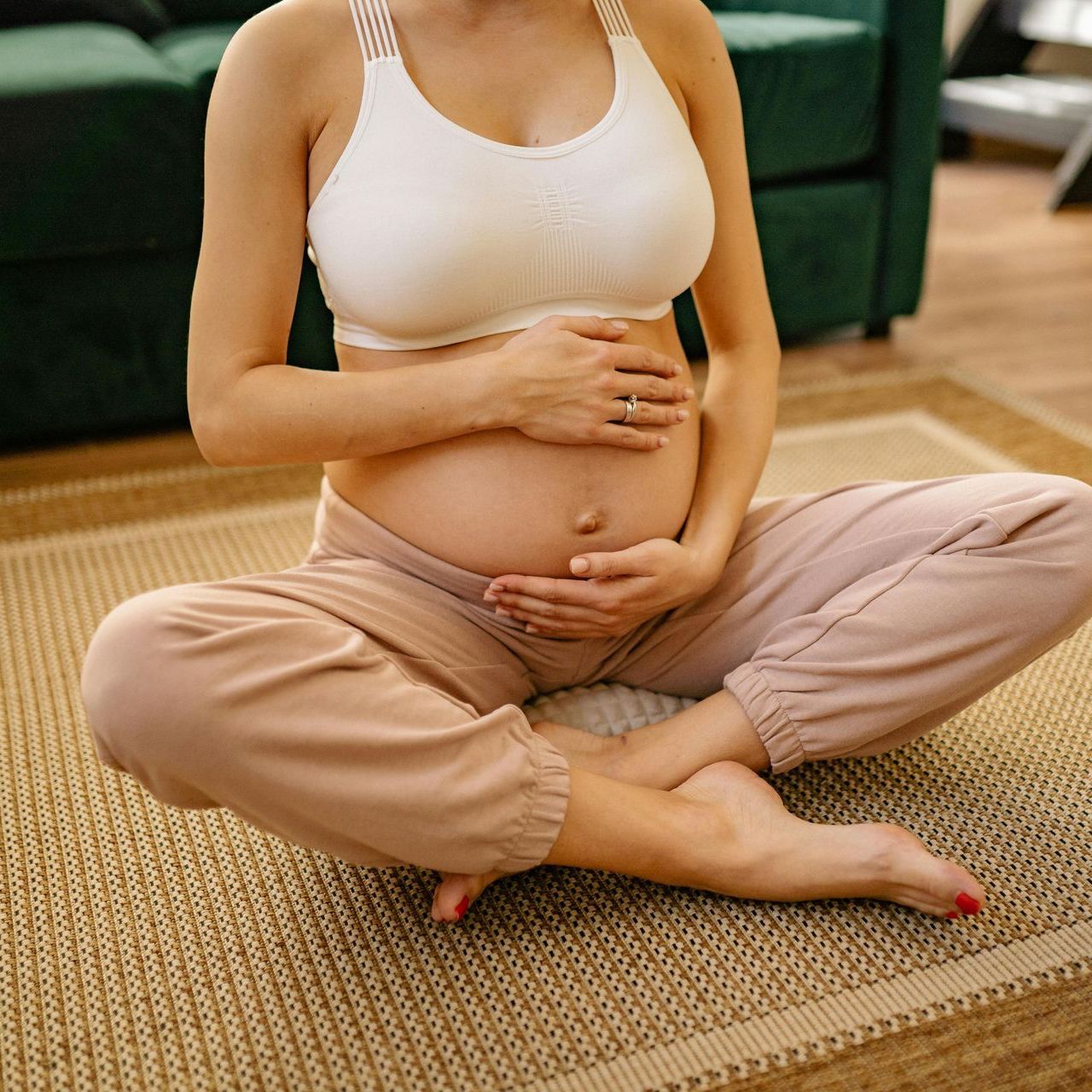
Pelvic floor exercises, often called Kegels, are a vital part of any prenatal fitness routine. These exercises strengthen the muscles that support the bladder, uterus, and bowels, which are essential during pregnancy and childbirth. At BumpWellness, we encourage every expecting mother to include pelvic floor exercises in their fitness regimen to enhance comfort, reduce pregnancy complications, and promote smoother recovery after delivery. Why Pelvic Floor Exercises Are Important During Pregnancy Supports Your Growing Baby: As your baby grows, there is increased pressure on your pelvic floor muscles. Strengthening these muscles helps provide the support needed to carry the extra weight, reducing discomfort and lowering the risk of complications such as pelvic organ prolapse. Prevents Urinary Incontinence: Pregnancy can increase the likelihood of stress urinary incontinence, causing unintentional urine leakage when coughing, sneezing, or exercising. Regular pelvic floor exercises help maintain control and reduce the risk of incontinence both during pregnancy and postpartum. Eases Labor and Delivery: A strong pelvic floor can make labor more manageable by allowing for more efficient pushing during delivery. Strengthening these muscles can help you feel more in control and reduce the risk of tearing. Promotes Postpartum Recovery: Pelvic floor exercises improve circulation to the pelvic region, promoting faster healing after childbirth. This practice can also help prevent postpartum complications like pelvic organ prolapse and continued incontinence. How to Perform Pelvic Floor Exercises Pelvic floor exercises are simple and can be done almost anywhere. Here’s how to perform them effectively: Find Your Pelvic Floor Muscles: Imagine trying to stop the flow of urine or holding in gas. The muscles you tighten to do this are your pelvic floor muscles. It’s important to locate these muscles accurately to perform the exercises correctly. Get Comfortable: You can perform pelvic floor exercises while lying down, sitting, or standing. Choose a position where you feel most comfortable and relaxed. Perform the Contractions: Tighten your pelvic floor muscles and hold the contraction for 3-5 seconds, then relax for the same amount of time. Repeat 10-15 times. Gradually increase the hold time as your muscles become stronger. Focus on Technique: Ensure you’re tightening only your pelvic floor muscles and not the muscles of your abdomen, thighs, or buttocks. Breathe normally throughout the exercise, avoiding breath-holding. Incorporate Different Variations: Include quick contractions (squeezing and releasing quickly) and slow, sustained contractions (holding for up to 10 seconds) to fully engage different muscle fibers. Tips for Effective Pelvic Floor Training Practice Regularly: Aim to perform pelvic floor exercises 2-3 times a day. Consistency is key to seeing results. Listen to Your Body: If you feel pain or discomfort while performing these exercises, stop and consult your healthcare provider. Start Early: Begin pelvic floor exercises as early in your pregnancy as possible. The sooner you start, the stronger your muscles will be when you need them most. Incorporate into Daily Activities: Integrate pelvic floor exercises into your daily routine, like while brushing your teeth, watching TV, or waiting in line. How BumpWellness Can Help Strengthen Your Pelvic Floor At BumpWellness, our certified trainers understand the unique needs of pregnant women and specialize in safe, effective pelvic floor training. We provide personalized guidance to help you incorporate these exercises into your prenatal fitness routine, ensuring you’re prepared for the demands of pregnancy, labor, and recovery. Contact Us Today! Schedule a free consultation to learn how we can support you in strengthening your pelvic floor and enhancing your pregnancy experience.

Welcoming a new baby is an exciting time, but it also brings physical changes that can affect your body and fitness levels. Returning to exercise after childbirth is a great way to rebuild strength, increase energy, and improve your overall well-being. However, it’s important to approach postpartum fitness with care and guidance to ensure a safe and effective recovery. At BumpWellness, we support new moms in regaining their strength and fitness with personalized exercise plans tailored to their unique needs. When to Start Exercising Postpartum The right time to resume exercise after giving birth will depend on several factors, including the type of delivery you had (vaginal or cesarean), your fitness level before and during pregnancy, and any complications experienced during childbirth. Here are some general guidelines: Vaginal Delivery: Many women can begin light exercises, such as walking and gentle stretching, within a few days to weeks after a vaginal delivery, provided they feel ready and have received approval from their healthcare provider. Cesarean Delivery: After a C-section, recovery generally takes longer. Most women are advised to wait at least 6-8 weeks before engaging in any form of exercise, starting with gentle movements and gradually increasing intensity. Listen to Your Body: Always listen to your body and start slowly. Focus on low-impact activities and gradually progress to more intense exercises as you feel stronger and more comfortable. Benefits of Exercising Postpartum Rebuilds Core Strength and Stability: Pregnancy and childbirth can weaken the core muscles, leading to back pain and poor posture. Postpartum exercises help rebuild core strength, improving stability and overall function. Improves Mental Health: Exercise releases endorphins, which can help combat postpartum depression and anxiety, enhancing your mood and emotional well-being. Boosts Energy Levels: Regular physical activity can help increase energy levels, reduce fatigue, and improve sleep quality, all of which are essential for new moms. Supports Weight Management: Exercise, combined with a healthy diet, can help manage weight gain from pregnancy and promote a healthy body composition. Enhances Recovery: Exercise improves circulation and blood flow, promoting healing and faster recovery after childbirth. Recommended Postpartum Exercises Pelvic Floor Exercises (Kegels): Help strengthen the muscles that support the bladder, uterus, and bowels, reducing the risk of incontinence and supporting overall pelvic health. How to Do Them: Contract the pelvic floor muscles (as if stopping the flow of urine) and hold for 3-5 seconds, then relax. Repeat 10-15 times, several times a day. Walking: A simple and effective way to get back into exercise postpartum. Walking helps improve cardiovascular fitness and gently tones muscles without placing too much stress on the body. How to Do It: Start with short walks and gradually increase the duration and intensity as you feel stronger. Deep Belly Breathing with Abdominal Contraction: Helps reconnect with your core muscles and rebuild strength. How to Do It: Sit comfortably and inhale deeply, expanding your belly. As you exhale, draw your belly button towards your spine, contracting your abdominal muscles gently. Repeat 10 times. Postpartum Pilates: Focuses on core strengthening and stability while improving flexibility and posture. How to Do It: Incorporate gentle Pilates exercises, such as pelvic tilts and bridges, into your routine to enhance core strength. Modified Push-Ups: Strengthen the upper body and core without putting pressure on the lower back or abdomen. How to Do Them: Start on your hands and knees, keeping your body in a straight line from head to knees. Lower your chest towards the ground and push back up. Repeat 8-12 times. Tips for Safe Postpartum Exercise Start Slowly: Begin with low-intensity exercises and gradually progress as your body heals and gains strength. Focus on Form: Proper form is essential to prevent injury and ensure effectiveness. Work with a certified trainer to learn the correct techniques. Stay Hydrated and Nourished: Drink plenty of water and eat a balanced diet to support your energy needs, especially if you are breastfeeding. Rest When Needed: Your body needs time to heal. Make sure to rest and recover between workouts, and avoid pushing yourself too hard. Consult Your Healthcare Provider: Always check with your doctor or midwife before starting any new exercise program postpartum. How BumpWellness Can Help You Safely Return to Fitness At BumpWellness, our certified trainers specialize in postpartum fitness and understand the unique challenges of returning to exercise after childbirth. We provide personalized workout plans that match your fitness level and recovery stage, helping you regain strength, confidence, and energy safely and effectively. Contact Us Today! Schedule a free consultation to learn how our postpartum fitness programs can support your recovery and well-being.

Labor is often described as a marathon, requiring both mental and physical stamina. Preparing your body for this intense experience through regular exercise can help increase your strength, endurance, and resilience, making labor and delivery smoother and more manageable. At BumpWellness, we focus on safe, targeted prenatal workouts that help you feel strong and prepared for the big day. Benefits of Exercise for Labor Preparation Increases Strength and Stamina: Labor and delivery require endurance and muscle strength, particularly in the core, back, and lower body. Regular exercise builds the strength needed to support active labor, reducing fatigue and improving your ability to push effectively. Improves Flexibility and Mobility: Stretching and flexibility exercises help keep your muscles relaxed and your joints mobile, making it easier to find comfortable positions during labor. This flexibility can also help reduce muscle tension and pain. Enhances Breathing and Relaxation Techniques: Cardiovascular activities, such as walking or swimming, help improve lung capacity and breathing efficiency, which is vital for managing contractions and staying calm during labor. Boosts Mental Resilience: Exercise is a proven way to manage stress and anxiety, helping you stay mentally prepared for labor. Activities like yoga and meditation encourage relaxation and positive thinking, both crucial for labor. Recommended Prenatal Workouts for Labor Preparation Squats: Squats help strengthen the muscles in your legs, hips, and pelvic floor, all of which play an essential role in supporting your body during labor. They also promote flexibility in the pelvic area, which can aid in the birthing process. How to Do Them: Stand with your feet shoulder-width apart, toes pointing slightly outward. Lower yourself as if sitting back into a chair, keeping your chest lifted and knees over your ankles. Hold for a few seconds and return to standing. Repeat 10-15 times. Pelvic Tilts: Pelvic tilts can help relieve back pain, strengthen the lower back and abdominal muscles, and prepare your body for labor by promoting optimal baby positioning. How to Do Them: Lie on your back with your knees bent and feet flat on the floor (or in a tabletop position). Tighten your abdominal muscles and tilt your pelvis upward, flattening your lower back against the floor. Hold for a few seconds, then release. Repeat 10-15 times. Prenatal Yoga: Yoga helps improve flexibility, balance, and muscle tone while promoting relaxation and deep breathing. Poses like the "Child’s Pose" and "Cat-Cow" are especially beneficial for easing tension in the back and preparing the body for labor. How to Do Them: Incorporate a prenatal yoga routine 2-3 times per week, focusing on gentle stretching, breath work, and poses that open the hips and pelvis. Walking: Walking is a low-impact cardiovascular exercise that keeps you active, boosts endurance, and encourages the baby to move into the correct position for birth. How to Do It: Aim for 30 minutes of walking at a moderate pace most days of the week. Wear supportive shoes and maintain good posture to avoid discomfort. Kegels: Strengthening the pelvic floor muscles with Kegels can help you maintain control during labor, support your growing uterus, and reduce the risk of tearing during delivery. How to Do Them: Tighten the muscles you use to stop the flow of urine, hold for 3-5 seconds, and then release. Repeat 10-15 times, several times a day. Breathing Exercises: Deep breathing exercises help you stay calm, focused, and relaxed during labor, improving oxygen flow to you and your baby. How to Do Them: Practice diaphragmatic breathing by inhaling deeply through your nose, expanding your belly, and exhaling slowly through your mouth. Repeat several times a day, especially during your workout sessions. Tips for Safe Prenatal Exercise Consult Your Healthcare Provider: Before starting any new exercise routine, get clearance from your doctor or midwife to ensure the activities are safe for you and your baby. Stay Hydrated and Avoid Overheating: Drink plenty of water and exercise in a cool, ventilated environment to prevent overheating. Modify as Needed: As your pregnancy progresses, modify exercises to accommodate your growing belly and any discomfort. Listen to Your Body: If you feel any pain, dizziness, or shortness of breath, stop exercising immediately and consult your healthcare provider. How BumpWellness Can Help Prepare You for Labor At BumpWellness, our certified trainers are experts in prenatal fitness, specializing in exercises that build the strength, endurance, and mental focus needed for a positive labor experience. We create personalized workout plans that match your fitness level and goals, ensuring you feel prepared and confident as you approach your due date. Contact Us Today! Schedule a free consultation to learn how our tailored prenatal fitness programs can help you prepare your body for a healthy, active labor.
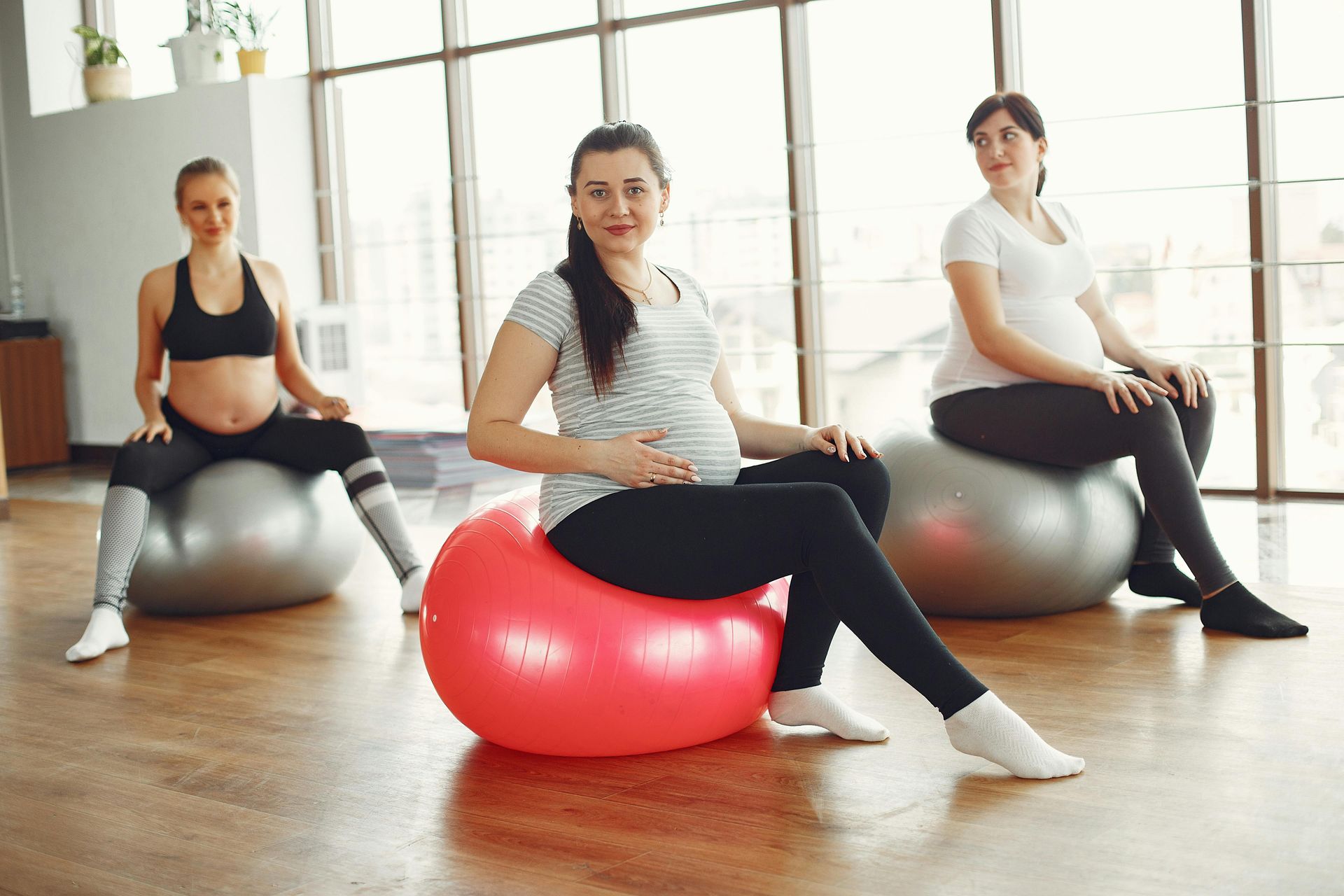
Yoga is an excellent form of exercise for pregnant women, providing both physical and mental benefits. It helps maintain strength and flexibility, improves balance, reduces pregnancy-related discomforts, and promotes relaxation and mental clarity. At BumpWellness, we recommend incorporating prenatal yoga into your fitness routine to support a healthy pregnancy and prepare your body for labor and delivery. Benefits of Prenatal Yoga Improves Flexibility and Strength: Yoga stretches and strengthens the muscles used during pregnancy and childbirth, including the core, back, and pelvic floor muscles. This can help alleviate common pregnancy discomforts such as lower back pain and sciatica. Reduces Stress and Anxiety: Deep breathing and relaxation techniques practiced in yoga help calm the mind, reduce anxiety, and improve overall mood. This mental clarity can be particularly beneficial as you prepare for labor. Enhances Balance and Stability: As your belly grows, your center of gravity shifts, affecting your balance. Yoga poses help improve stability and coordination, reducing the risk of falls. Encourages Better Posture: Prenatal yoga emphasizes alignment and posture, helping to counteract the tendency to slouch or overarch the back during pregnancy. Prepares for Labor and Delivery: Yoga teaches breathing techniques, body awareness, and relaxation methods that are invaluable during labor. Certain poses help open the pelvis and prepare the body for delivery. Recommended Yoga Poses for Pregnancy Cat-Cow Stretch (Marjaryasana-Bitilasana): How It Helps: This gentle flow helps relieve tension in the spine and improves flexibility in the back and abdominal muscles. How to Do It: Start on your hands and knees with your wrists directly under your shoulders and knees under your hips. Inhale as you arch your back and look up (Cow Pose), then exhale as you round your back and tuck your chin to your chest (Cat Pose). Repeat for several breaths. Child’s Pose (Balasana): How It Helps: A resting pose that gently stretches the lower back, hips, and thighs, relieving tension and promoting relaxation. How to Do It: Kneel on the floor with your knees apart and big toes touching. Sit back on your heels and extend your arms forward, lowering your chest towards the floor. Rest your forehead on the mat and breathe deeply. Warrior II (Virabhadrasana II): How It Helps: Strengthens the legs, core, and pelvic muscles while improving balance and stability. How to Do It: Stand with your feet wide apart. Turn your right foot out 90 degrees and bend your right knee over your ankle, keeping your left leg straight. Extend your arms out to the sides, palms down, and gaze over your right hand. Hold for a few breaths, then switch sides. Squat Pose (Malasana): How It Helps: Opens the hips, strengthens the legs, and promotes optimal positioning for the baby. How to Do It: Stand with your feet slightly wider than hip-width apart, toes pointing out. Lower into a squat, bringing your hands to prayer position in front of your chest. Use your elbows to gently press your knees apart. Hold for several breaths. Pigeon Pose (Eka Pada Rajakapotasana): How It Helps: Stretches the hip flexors and relieves lower back tension. How to Do It: From all fours, bring your right knee forward and place it behind your right wrist. Extend your left leg back, keeping the hips square. Lower your chest forward and breathe deeply. Repeat on the other side. Bound Angle Pose (Baddha Konasana): How It Helps: Opens the hips, stretches the inner thighs, and improves circulation to the pelvic region. How to Do It: Sit on the floor with your knees bent and the soles of your feet touching. Hold your feet with both hands and gently press your knees towards the floor. Sit up tall and breathe deeply. Tips for Practicing Yoga Safely During Pregnancy Modify Poses as Needed: As your belly grows, you may need to modify poses for comfort and safety. Use props like yoga blocks, bolsters, and blankets to support your body. Avoid Deep Twists and Backbends: Avoid poses that compress the abdomen, deep twists, and intense backbends. Focus on Gentle Movements: Choose gentle, fluid movements that promote relaxation and flexibility. Stay Hydrated: Drink water before, during, and after your practice to stay hydrated. Listen to Your Body: If a pose feels uncomfortable or causes pain, skip it and try a modified version or different pose. How BumpWellness Can Support Your Prenatal Yoga Practice At BumpWellness, our certified trainers specialize in prenatal yoga, providing personalized guidance to help you enjoy a safe and effective practice. We offer customized yoga sessions that match your fitness level and pregnancy stage, ensuring you feel calm, strong, and flexible throughout your journey. Contact Us Today! Schedule a free consultation to learn how our prenatal yoga sessions can benefit you during pregnancy.